The problem armor created
Armor solved one thing and broke another. Before it, every brute looked alike. Since then, they still look alike, but in groups: every Stamina brute wears the Iron Sentinel, every Speed brute wears the Arcanist. Appearance was welded to stats, so getting the look you wanted meant wearing what you didn't want.
This sprint adds the game's first purely cosmetic category: skins. They change your brute's silhouette on screen, and nothing else.
Three skins, twelve parts
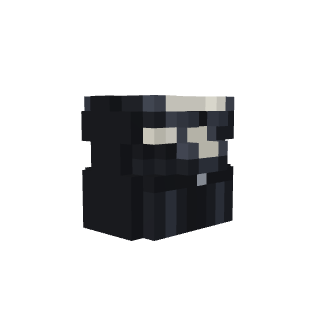
- Gala Tuxedo: a fitted black jacket, satin lapels, a bow tie and patent leather shoes.
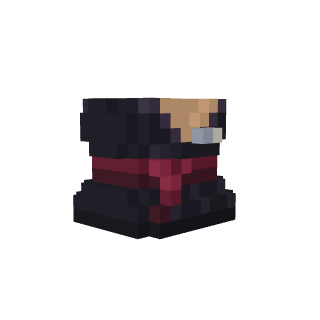
- Evening Gown: a little black dress, a burgundy satin sash, a pearly pendant and strappy heels.
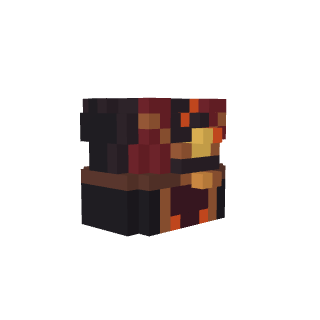
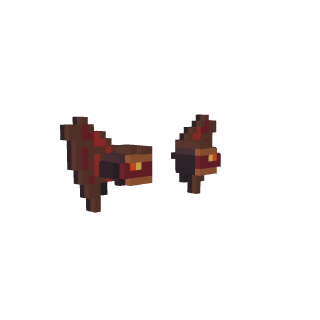
- Ember Demon: bare horns, a mane of embers, a smoking breastplate, folded wings and hooves.
Each one comes in the same four slots as armor: helmet, chest, shoulders, boots. That makes twelve parts, and each one is worn separately.
The decision that meant starting over
The first version was all or nothing: one skin active, all four slots at once. It was simpler to write, and it was a bad idea.
A full skin is a costume. Four independent parts make a wardrobe. You can wear only the demon's wings over otherwise untouched armor, only its chest, or mix the top of one skin with the boots of another. That multiplies what you can do with three skins by far more than three, and it doesn't cost a single extra model.
The rendering rule fits in one line, applied slot by slot: the chosen skin part, otherwise the armor piece worn, otherwise the base mesh. Only one piece per slot, so cosmetic shoulders replace armor pauldrons instead of layering on top of them.
Your armor stays equipped
This is the key point: a skin unequips nothing. Your pieces stay in place with their rolls, their forge level and their set tiers, and they still count in combat. Only the display changes.
Removing a skin part makes the armor of that slot alone reappear, without touching the other three. And changing armor while a skin is active is still possible: your stats change, your look doesn't.
So skins are not part of the equipment registry, the loot tables or the set tiers. The two systems overlap on screen and nowhere else.
What a part hides, and what it leaves
Which body parts get hidden is worked out from what is actually displayed, not from what is equipped underneath. Thanks to that detail, wearing only the wings hides neither the torso, the feet nor the hair, whereas a full skin hides all of that.
The rules are exactly the same as for armor: the chest replaces the body, the clothes and the belt; the boots replace the feet; the headgear hides the whole family of haircuts, accessories included. The face, the eyebrows and the hands always stay. A brute dressed as a demon keeps its eyes and skin color: it is still your brute under there.
Hairstyles, the trickiest part
Each skin headgear carries two hairstyles, one per gender, and only one is displayed. It takes your brute's hair color, exactly like the base haircuts.
Everything else on the headgear keeps its own colors: the demon's horns aren't hair and must never be repainted. The tuxedo took this a step further with a hair clip attached to the female hairstyle, which has to follow that hairstyle's visibility while keeping its own material. The bug, while that rule was missing, was subtle and a textbook case of its kind: the hair clip showed up on male brutes.
That kind of mistake only shows on screen, and only if you think to look. So the check became a test that reads the actual exported files and verifies, skin by skin and gender by gender, that the right hairstyle is visible, that the other is hidden, that it is properly tinted, and that nothing else is.
Yesterday's fights don't change their look
A replay must look exactly as the fight did when it was played. So appearance is frozen in the fight record, alongside the weapon and armor worn at the time.
There are now three generations of records: those from before skins, those from the first all-or-nothing version, and today's. All three replay correctly, and an empty selection is recorded explicitly, so that a fight played after removing a skin doesn't replay with it.
How to get them
Skins are bought in the shop, €1.99 for the Tuxedo and the Gown, €2.99 for the Demon. The purchase is permanent and unlocks all four parts at once.
They then land in your brute's inventory, stored next to the armor, with a marker that says "SKIN" so they aren't confused with equipment. You put them on and take them off the same way as any other piece, as many times as you like and without using anything up. The shop only shows what you own: adjusting your look happens in the inventory, in a single place.
What's next?
The catalog is built to grow without touching the engine: a skin is one entry and four models, exported with the same conventions as armor. No placement table, no pose to tune.
Ideas on the table:
- seasonal skins, available for a limited time and then removed from the catalog,
- standalone parts rather than sets of four, a pair of wings on its own for example,
- skins earned rather than bought, through career achievements.
Until then, try mixing. The demon's wings on a tuxedo make no sense at all, and that is exactly why it is possible.