In the arena, two pets out of three were the same wolf. Since November 15, your first pet is drawn at random at level 10, and since November 16, three new species are in the draw: the boar, the lynx and the turtle.
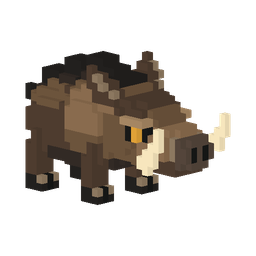
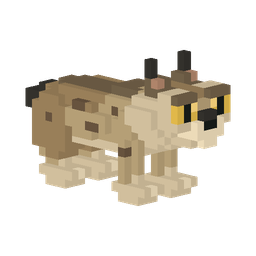
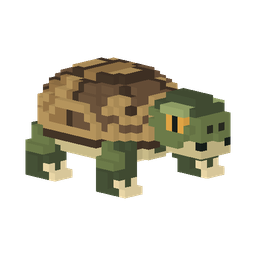
Here is what changes for your brute, what the three newcomers are worth, and what we measured before letting them loose in the arena.
Everyone had the wolf
Ever since they stopped being level-up cards, pets were earned through three guaranteed quests: the wolf at level 10, the eagle at level 20, the bear at level 30. On paper, everyone ended up with a choice. In practice, on November 15:
- 677 brutes were fighting with the wolf, 158 with the eagle, 64 with the bear.
- Out of 1,143 brutes at level 10 or above, 754 were between levels 10 and 19: the wolf was the only one they could pick.
The wolf was the only species guaranteed at a level almost everyone reaches. Two players wrote to us about it, each in their own way: the game had lost the randomness of the original My Brute, and all brutes ended up looking alike. They were right, and pets are where it showed the most.
A draw at level 10
The three quests are replaced by a single one, A companion awaits, in the Career tab of the quests. At level 10, it draws your first pet at random among six species.


The draw first picks a rarity, then a species of that rarity, each as likely as the other:
- 70%, common: the wolf, the boar or the turtle, about 23% each.
- 24%, rare: the eagle or the lynx, 12% each.
- 6%, epic: the bear.
The result is settled for your brute before you even click: reloading the page changes nothing, just like the level-up cards. The quest lists the six possible species, not the one waiting for you. You open a chest, and your companion's card flips over.
So two level 10 brutes no longer necessarily have the same companion, and about one brute in seventeen starts out with a bear.
The three newcomers
Each one fills a role that did not exist, with a light passive, capped per fight, that goes out if the pet falls.
The boar, a common bruiser. It charges tusks first and hits hard for a common pet: 15 Strength at level 10, against 11 for the wolf. In exchange, it guards little (13%) and slows its master by 3 points of initiative, against 2 for the wolf.
- Furious Charge: the first hit by your brute that wounds the opponent deals +25% damage. Once per fight.
The turtle, a common guardian. It bites rarely and weakly, but it can take a beating: 54 HP at level 10, 126 at level 50, and a 20% guard, as much as the bear. It also slows its master by 3 points.
- Withdrawal: the first three blows it intercepts in your place are reduced by 35%. It is the only passive in the game that protects the pet rather than the brute: the turtle stays standing in front of you for longer.
The lynx, a rare evader. As fragile as the eagle (21 HP at level 10), it strikes often and slows its master by only 1 point. Its guard is 10%.
- Feline Reflexes: 10% chance for your brute to dodge a weapon blow that was about to land. One success per fight, and never against a spell.
A pet does not replace a build. The pet guide explains how guard and the initiative penalty play with yours.
Loot from fights
The draw is not a life sentence. From level 10, every win has a chance of giving a pet you don't own yet. A single roll picks the rarity:
- 0.6% for a common one: wolf, boar, turtle.
- 0.36% for a rare one: eagle, lynx, jade basilisk.
- 0.11% for the bear, the only epic.
- 0.1% for the dragonling, the only legendary.
The game then draws a species of that rarity among those you are missing. So you can never receive a duplicate, and a rarity you have completed gives nothing more. The Elixir of Plunder doubles every line, and these chances are displayed in the game alongside the other drop rates.
In all, that is 1.17% per win. A brute that starts 27 fights a week, the median in the game, wins about 16 of them: count on a new pet roughly every five weeks, as long as you are missing one in every rarity.
Pets now sit on the same rarity scale as weapons: common, rare, epic, legendary. The scorpion, also rare, remains the pre-season reward: it is neither in the draw nor in the loot.
If your brute has its pet
- Nobody loses a pet. Everything you own stays yours.
- No new draw. If your brute already has the wolf, the eagle or the bear, the quest counts as completed. The new species come to you through fight loot.
- The guaranteed quests for the eagle and the bear are gone. If you were counting on level 20 or 30 to get them, they now drop after a win, like the others.
- Only one pet fights at a time. The others wait at the camp: the collection gives you choice, not extra power.
We could have given every existing brute a draw. We did not: the same gift for everyone would have erased the very difference we were trying to create.
Behind the scenes
A draw you don't choose has to stay fair. You do not pick your first companion, so none of them can be a bad deal. The target is still the one from the September rebalance: a real edge, never a guaranteed win. We pitted each species of the draw against an equivalent brute with no pet, over 250 pairs of brutes per level:
- Level 15: between 60 and 69% wins depending on the species.
- Level 30: between 60 and 63%.
- Level 45: between 54 and 58%.
The boar sits just under the wolf, the turtle level with the bear, the lynx level with the eagle. For now, rarity mostly says how often, not how strong: the bear, an epic, does not win more often than the wolf.
A budget that no longer swells. At first, each species had its own drop chance. So the total climbed with every new pet: 0.3% per win before the draw, 0.87% with the wolf, the eagle and the bear, 1.67% with the three newcomers. Going by rarity, the total stays at 1.17%: a new species shares its rarity's slice, it does not add on top.
Animations straight from the workshop. The first pets are animated piece by piece, in code. The boar, the lynx and the turtle arrive with their own animations, like the jade basilisk: idle, run, attack, hit taken, death. They had to be fitted to the fight's clock. The turtle's bite is played at 0.6 times its original length and the lynx's attack at 0.8, otherwise their blow landed half a second after that of the other pets.
A boar that was too big. The model came in longer than the bear and taller than a brute. It is drawn at 80% of its size, which is the bear's.
A turtle that tucks in. When it steps in, it does not play the hit animation: it pulls back into its shell.
As always, we checked that nothing else moves: 400 fights replayed on fixed seeds, across seven setups, give exactly the same result as before for brutes without the new species.
What's next
- Pets that grow with their master. Today, a pet only progresses with its brute's level. It weighs a lot at level 15 and next to nothing at level 100, where it is worth only 52 to 54% wins and where a dragonling hardly does better than a wolf. The next step is to have it inherit a share of its master's stats, with power that follows rarity.
- More species, one at a time, each with its own role and passive.
If your brute reaches level 10, open the Career tab: a companion awaits, and this time, you don't know which one.